Global crises and multilateral cooperation take center stage at Global Baku Forum
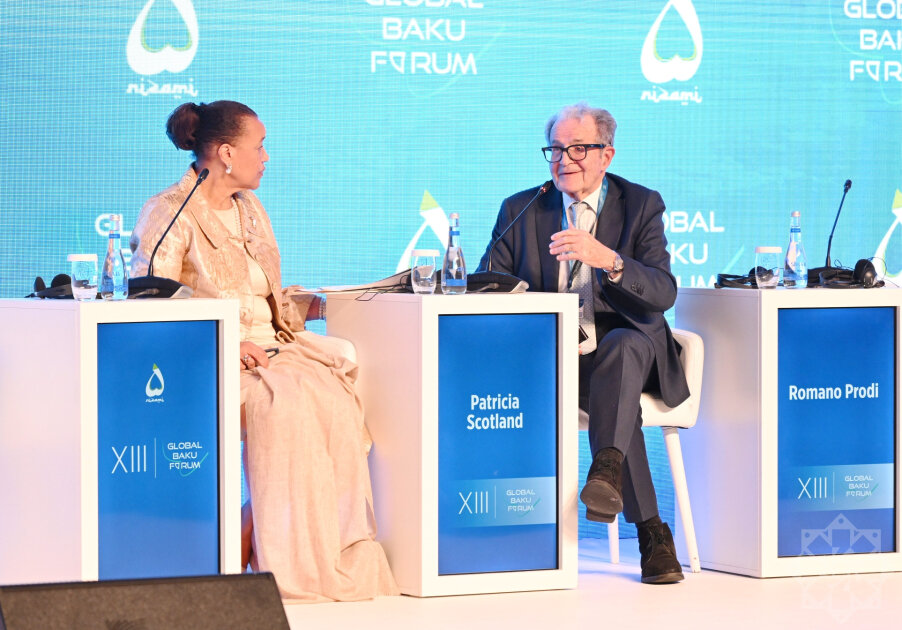
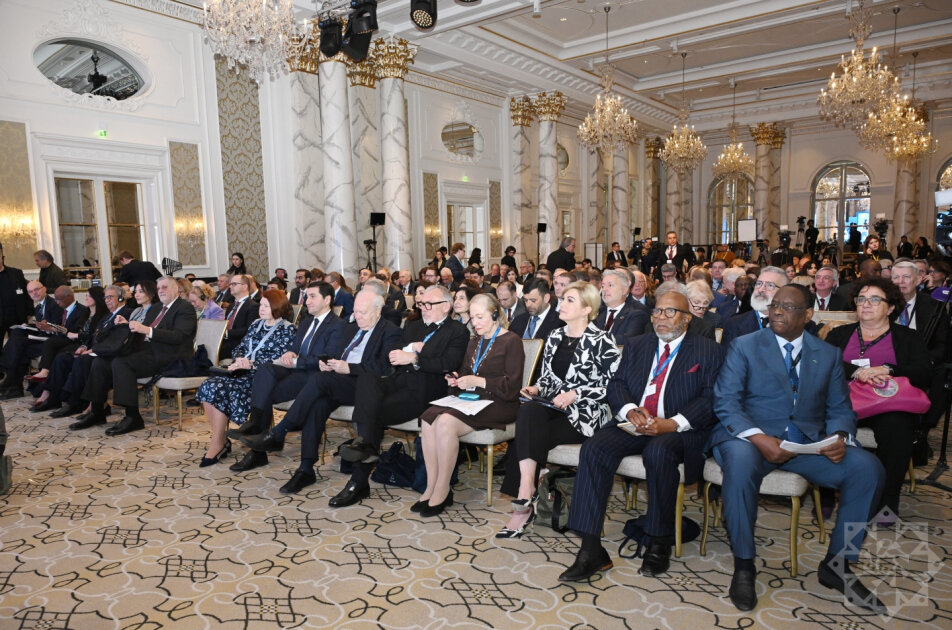
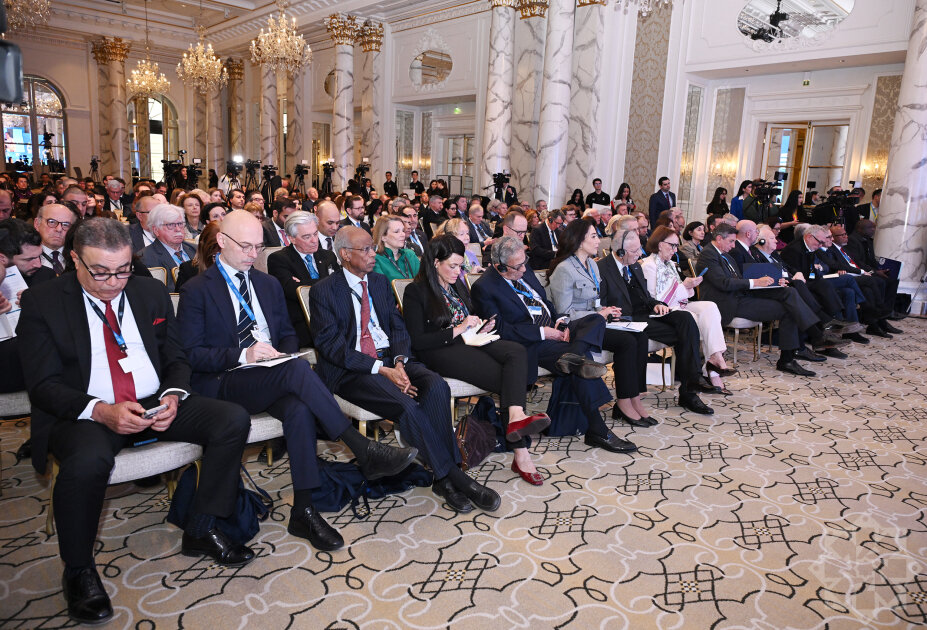
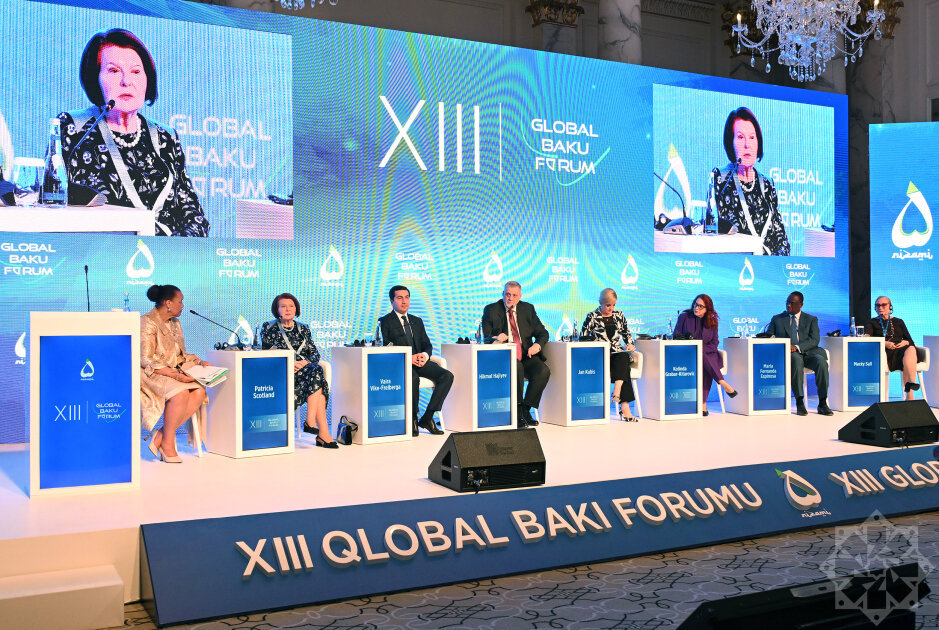 The 13th Global Baku Forum has featured a panel session on “Multilateralism in Crisis: Rethinking Global Cooperation.”
The panel session was moderated by Patricia Scotland, former Commonwealth Secretary-General, Member of the UK House of Lords.
In her remarks, Co-chair of the Nizami Ganjavi International Center Vaira Vike-Freiberga emphasized said that multilateralism allows both large and small countries to participate in global decision-making, stressing the importance of ensuring every nation to shape its own future. She noted that Europe has made significant progress in this area.
Hikmet Hajiyev, Assistant to the President of the Republic of Azerbaijan and Head of the Foreign Policy Affairs Department of the Presidential Administration, emphasized that multilateralism holds great significance for the country, noting that it is not confined to membership in various groups but is also manifested in practical initiatives.
Noting that Azerbaijan has developed its own model in the field of peace and security, Hikmet Hajiyev added: “We resolved the long-standing conflict using both military and political means, and as a result, there is now a de facto peace in the region. Both Armenia and Azerbaijan are currently working on parameters to strengthen the future peace agenda.”
Highlighting Azerbaijan’s engagement with Central Asia, Hajiyev noted that the country has been accepted as a full-fledged member of the Consultative Meetings of Heads of State of Central Asia. “This demonstrates that Azerbaijan aligns with countries sharing similar views and upholds the ‘middle power’ concept in its foreign policy,” he said.
Former Slovak Foreign Minister Ján Kubiš said most of the international community supports a rules-based international order, while a few major powers seek to undermine it. He stressed the importance of cooperating with international institutions and strengthening their legitimacy.
In her remarks, Former Croatian President Kolinda Grabar-Kitarović portrayed the global situation very challenging and stressed that both small and large countries must follow international rules, highlighting the need for strong multilateralism and supporting institutions.
Former Ecuador’s Foreign Minister María Fernanda Espinosa highlighted that despite the challenges facing multilateralism, its importance is growing. She stressed that strong and impartial leadership is needed to address global issues such as climate change and inequality.
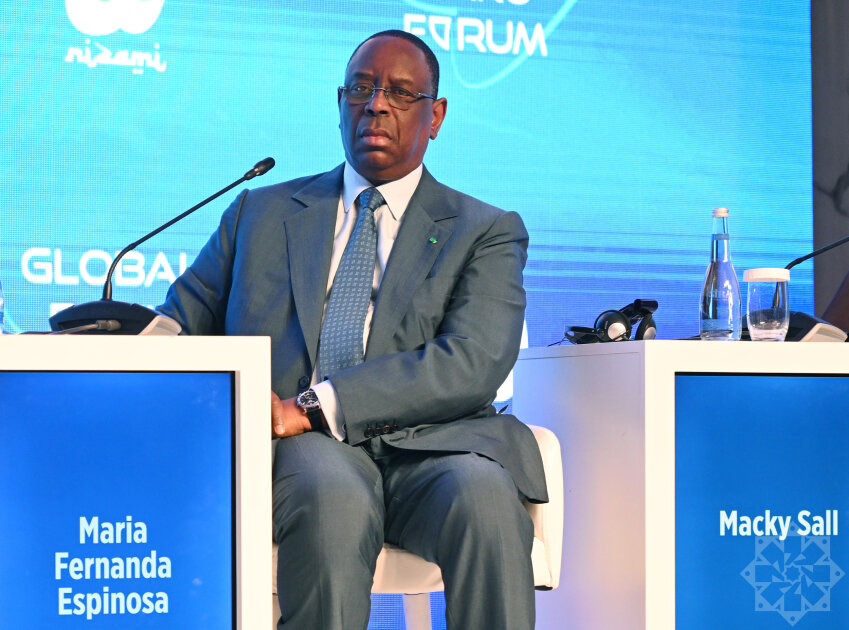
Noting that long-lasting conflicts and geopolitical tensions persist globally, Former President of Senegal Macky Sall emphasized that the economy is weakening and that issues such as climate change, health, education, and technological development are growing more complex.
Former Austrian Foreign Minister Benita Ferrero-Waldner described the decision-making in the EU and other organizations as slow, calling for lifting restrictions while promoting public-private partnerships and non-state actor involvement.